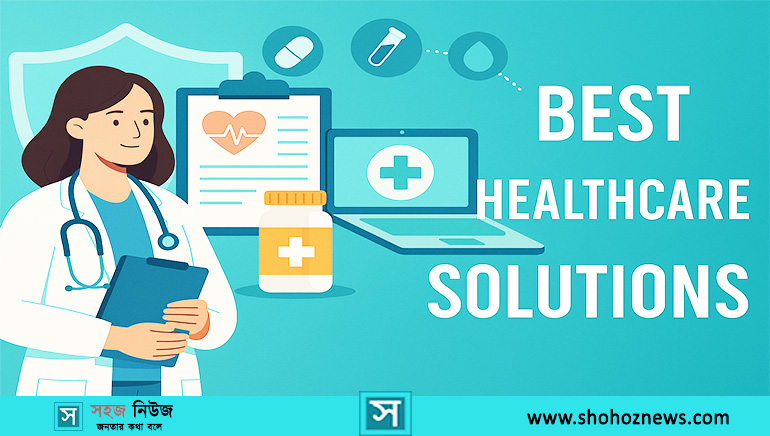
Healthcare is a fundamental human need, and the search for the best healthcare solutions continues across the globe. From advanced medical technologies to preventive care models and innovative financing systems, healthcare solutions are constantly evolving to meet the needs of growing populations. In this article, we will dive deep into the different types of healthcare solutions, their importance, global examples, and how they are transforming patient care for a better future.
What Are Healthcare Solutions?
Healthcare solutions are strategies, systems, and tools that improve access, affordability, and quality of medical services. They range from digital health platforms and telemedicine to financial models that ensure affordability and sustainability. The ultimate goal is to deliver effective care while reducing the burden on both patients and healthcare providers.
Why Healthcare Solutions Matter
Healthcare solutions are vital for:
- Ensuring equitable access to quality medical services.
- Reducing the cost of care for individuals and governments.
- Promoting preventive healthcare to reduce long-term expenses.
- Integrating technology to improve efficiency and patient outcomes.
- Providing global responses to pandemics and health crises.
Types of Healthcare Solutions
There are several categories of healthcare solutions that are widely used around the world:
| Solution Type | Description | Global Examples |
|---|---|---|
| Digital Health | Use of telemedicine, mobile apps, and electronic health records. | Teladoc (USA), Practo (India) |
| Preventive Care | Focus on early detection and lifestyle changes to reduce chronic diseases. | National screening programs in Europe, CDC initiatives in USA |
| Healthcare Financing | Insurance, subsidies, and innovative payment models to reduce costs. | NHS (UK), Medicare/Medicaid (USA) |
| Medical Technology | Robotics, AI, wearable devices, and diagnostic tools. | Da Vinci Surgical Robot, Apple Watch health monitoring |
| Public-Private Partnerships | Collaboration between governments and private companies to improve access. | Global vaccine programs, PPP hospitals in Asia |
Best Global Healthcare Practices
Different countries have pioneered unique healthcare solutions that others can learn from:
- United Kingdom: The NHS provides universal healthcare funded by taxes, ensuring access for all citizens.
- Germany: The Bismarck model offers a mix of employer and employee-funded insurance for comprehensive care.
- Canada: A national health insurance model provides coverage for all residents.
- Singapore: Combines personal savings accounts with government subsidies for a balanced approach.
- India: Digital platforms and affordable health insurance are expanding access to rural populations.
Challenges in Implementing Healthcare Solutions
Despite innovation, healthcare systems face several challenges:
| Challenge | Impact |
|---|---|
| High Costs | Medical inflation increases burden on patients and insurers. |
| Unequal Access | Rural and low-income groups often lack affordable care. |
| Aging Population | Greater demand for chronic care and long-term health services. |
| Pandemics | Sudden spikes in healthcare demand strain financial and human resources. |
| Technology Gaps | Developing countries may lack infrastructure for digital health. |
Future of Healthcare Solutions
The future of healthcare solutions lies in innovation and collaboration. Key trends include:
- Artificial Intelligence: AI for diagnostics, predictive care, and personalized medicine.
- Telemedicine Expansion: Increasing global access to remote healthcare services.
- Wearable Devices: Real-time monitoring of patient health indicators.
- Blockchain Technology: Secure patient data sharing and transparent transactions.
- Value-Based Care: Paying providers based on patient outcomes rather than services delivered.
Final Thoughts
The best healthcare solutions are those that balance access, quality, and affordability. While challenges remain, innovations in technology, financing, and global cooperation continue to improve healthcare delivery. By adopting best practices and investing in sustainable healthcare solutions, societies can ensure healthier lives and stronger economies worldwide.