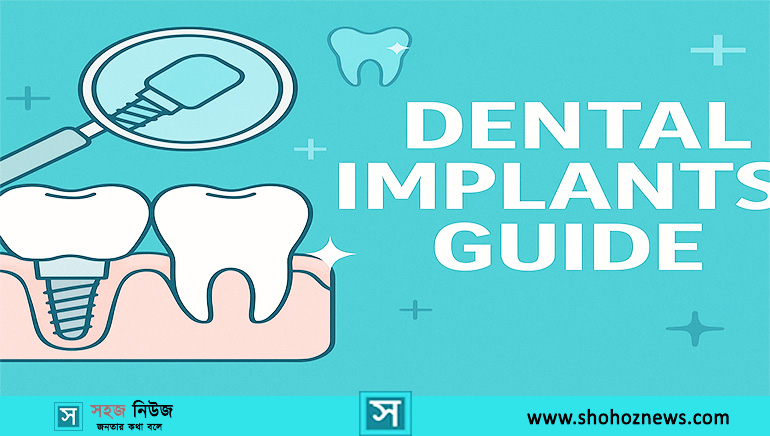
Dental implants have become one of the most popular and reliable solutions for replacing missing teeth. Unlike dentures or bridges, implants are designed to look, feel, and function like natural teeth. Whether you lost a tooth due to injury, decay, or age, dental implants offer a long-term solution for restoring your smile and confidence. In this guide, we will explore everything about dental implants—from the procedure and benefits to costs, risks, and global practices.
What Are Dental Implants?
A dental implant is an artificial tooth root made of titanium or zirconia that is surgically placed into the jawbone. Once the implant fuses with the bone, it serves as a strong foundation for a crown, bridge, or denture. Dental implants can replace a single tooth, multiple teeth, or even a full arch of missing teeth.
Types of Dental Implants
There are different types of implants based on placement and structure:
| Type | Description | When Used |
|---|---|---|
| Endosteal Implants | Placed directly into the jawbone using screws or cylinders. | Most common; suitable for patients with good bone density. |
| Subperiosteal Implants | Placed under the gum but above the jawbone. | For patients with shallow bone or who cannot undergo grafting. |
| All-on-4 Implants | Four implants support a full arch of teeth. | Ideal for patients needing complete replacement. |
| Mini Implants | Smaller in size, used in limited bone areas. | Temporary or when standard implants are not possible. |
The Dental Implant Procedure
The process of getting dental implants involves multiple steps over several months:
- Consultation: Dental examination, X-rays, and treatment planning.
- Tooth Extraction (if needed): Removal of damaged teeth before implant placement.
- Bone Grafting (optional): For patients with insufficient jawbone density.
- Implant Placement: Surgical insertion of titanium post into the jawbone.
- Healing Period (Osseointegration): Implant fuses with the bone over 3–6 months.
- Abutment Placement: Connector piece attached to the implant.
- Crown/Bridge/Denture: Final restoration placed on top for full function and aesthetics.
Benefits of Dental Implants
- Natural Look and Feel: Closest replacement to real teeth.
- Durability: With proper care, implants can last decades.
- Improved Chewing: Allows eating without slipping, unlike dentures.
- Bone Preservation: Prevents bone loss and maintains facial structure.
- Speech Improvement: No slipping or slurring compared to dentures.
- Confidence Boost: Restores smile and self-esteem.
Risks and Considerations
Although dental implants are safe, they carry some risks:
- Infection at the implant site.
- Damage to surrounding teeth or nerves.
- Sinus issues for upper jaw implants.
- Implant failure due to poor bone integration or smoking.
Cost of Dental Implants
The cost of dental implants varies by country, clinic, and complexity. Here’s a general comparison:
| Region | Average Cost (Per Implant) | Notes |
|---|---|---|
| United States | $3,000 – $5,000 | Higher due to advanced facilities and specialists. |
| United Kingdom | £2,000 – £3,000 | Not usually covered by NHS unless medically necessary. |
| Europe (Germany, Hungary) | €1,200 – €2,500 | Popular for dental tourism due to lower costs. |
| Asia (India, Thailand) | $800 – $2,000 | Affordable, high-quality care in medical tourism hubs. |
| Middle East | $2,500 – $4,000 | Advanced clinics with global expertise. |
Aftercare and Maintenance
Proper aftercare is essential for implant success:
- Maintain good oral hygiene—brush and floss daily.
- Avoid smoking and excessive alcohol consumption.
- Schedule regular dental check-ups every 6 months.
- Eat a balanced diet to promote healing and bone health.
Future of Dental Implants
Technology is making dental implants even better. Emerging trends include:
- 3D Printing: Custom implants designed for faster procedures.
- Digital Scanning: More accurate planning and placement.
- Zirconia Implants: Aesthetic, metal-free alternatives.
- Minimally Invasive Surgery: Faster healing and less discomfort.
Final Thoughts
Dental implants are a life-changing solution for people with missing teeth. They restore function, appearance, and confidence while preventing long-term oral health issues. Although they require investment and a healing process, the long-term benefits outweigh the costs for many patients. With global advances in dental technology, implants are becoming more accessible, affordable, and reliable than ever before.