Breast implants are among the most commonly performed cosmetic procedures worldwide. They are primarily used for breast augmentation to enhance size and shape, or for reconstruction after mastectomy or trauma. With continuous advances in medical technology, implants have become safer, more natural-looking, and customizable. This article provides a detailed look at everything you need to know about breast implants, including types, costs, risks, and recovery.
What Are Breast Implants?
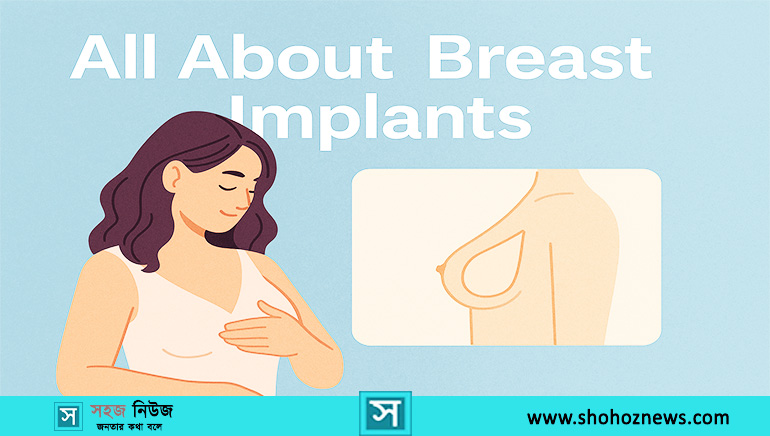
Breast implants are medical devices placed under the breast tissue or chest muscles to enlarge or restore breast volume. They can be filled with saline (sterile salt water), silicone gel, or alternative composite materials. The procedure, known as breast augmentation or augmentation mammoplasty, is performed for aesthetic, reconstructive, or corrective reasons.
Types of Breast Implants
Choosing the right type of implant depends on patient preference, body type, medical advice, and desired outcome. Here are the most common types:
| Implant Type | Description | Pros | Cons |
|---|---|---|---|
| Saline Implants | Filled with sterile salt water, inserted empty, then filled. | Smaller incision, adjustable size, lower cost. | Less natural feel, prone to rippling. |
| Silicone Gel Implants | Pre-filled with cohesive silicone gel. | More natural feel and look, less rippling. | Requires larger incision, silent rupture risk. |
| Gummy Bear Implants | Form-stable silicone implants shaped like teardrops. | Natural shape, maintains form even if cut. | More expensive, may rotate and distort shape. |
| Round Implants | Symmetrical shape filled with saline or silicone. | Fuller appearance, less concern about rotation. | Less natural look compared to teardrop implants. |
| Structured Implants | Saline-filled but designed with internal structure. | More natural feel compared to standard saline. | Newer and less widely available. |
Surgical Procedure Overview
The breast implant surgery process typically involves:
- Consultation: Discuss goals, implant type, and risks with a surgeon.
- Anesthesia: Usually general anesthesia is administered.
- Incision: Made in the inframammary fold, around the areola, or under the arm.
- Placement: Implants placed either under the pectoral muscle (submuscular) or directly behind breast tissue (subglandular).
- Closure: Sutures and surgical tape used for incision closure.
- Recovery: Patients monitored, followed by home recovery guidelines.
Risks and Complications
While generally safe, breast implants carry potential risks:
- Capsular contracture (scar tissue around the implant).
- Implant rupture or leakage.
- Infection or delayed wound healing.
- Changes in breast or nipple sensation.
- Asymmetry or aesthetic dissatisfaction.
- Rare risk of Breast Implant-Associated Anaplastic Large Cell Lymphoma (BIA-ALCL).
Recovery Timeline
Recovery after breast implant surgery usually takes a few weeks. Here’s a general timeline:
| Time Frame | Recovery Notes |
|---|---|
| First 1–2 Days | Pain, swelling, and tightness common. Rest required. |
| 1–2 Weeks | Gradual return to light activities. Avoid heavy lifting. |
| 3–6 Weeks | Most swelling subsides. Patients return to normal activities. |
| 3–6 Months | Breasts settle into final position. Scars begin to fade. |
Cost of Breast Implants Worldwide
Pricing varies by country, surgeon expertise, clinic reputation, and implant type. Below are average estimates:
| Country | Average Cost (USD) | Notes |
|---|---|---|
| United States | $6,000 – $12,000 | Premium market, board-certified surgeons emphasized. |
| United Kingdom | £4,000 – £8,000 | Higher costs in London compared to other cities. |
| Turkey | $3,000 – $5,000 | Popular for medical tourism packages. |
| India | $2,500 – $4,500 | Affordable, with many experienced surgeons. |
| Thailand | $3,500 – $6,000 | Combines international standards with lower costs. |
Longevity and Maintenance
Breast implants are not considered lifetime devices. Most last between 10–20 years before replacement may be needed due to rupture, changes in appearance, or patient preference. Regular check-ups and imaging (MRI or ultrasound) are recommended to monitor implant integrity.
Final Thoughts
Breast implants remain one of the most popular cosmetic procedures globally, offering transformative physical and psychological benefits. With different implant types, surgical techniques, and cost options, patients can customize their treatment for the best possible outcome. If you are considering breast augmentation or reconstruction, consult a board-certified surgeon, discuss all available options, and weigh the risks and benefits carefully.