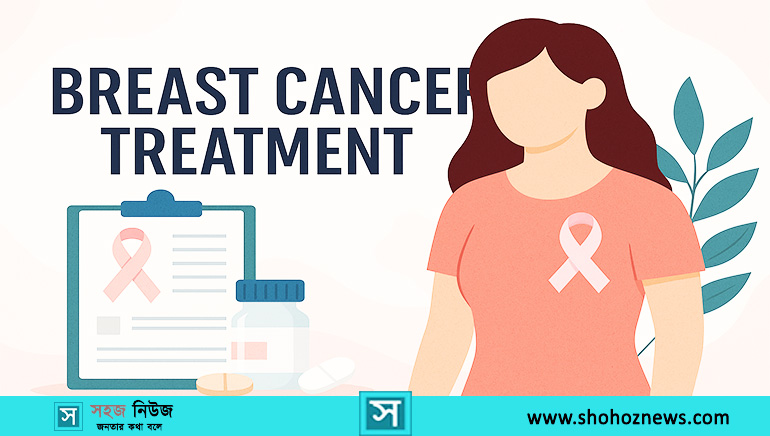
Breast cancer is one of the most common cancers affecting women worldwide, and in rare cases, men as well. Thanks to medical advancements, survival rates have improved dramatically over the past few decades. Effective breast cancer treatment depends on the stage of cancer, tumor biology, overall health, and access to medical facilities. This guide explores the full spectrum of treatment methods, from surgery and radiation to modern targeted therapies, providing a global perspective for patients and families.
Understanding Breast Cancer
Breast cancer occurs when cells in the breast tissue grow uncontrollably, forming a tumor that may spread to other parts of the body. Early detection through screenings such as mammograms plays a crucial role in improving treatment success.
Main Types of Breast Cancer Treatments
Treatment is usually multimodal, meaning more than one method is combined for the best results. The main categories include:
- Surgery: Removal of cancerous tissue.
- Radiation therapy: High-energy beams to destroy cancer cells.
- Chemotherapy: Drugs to kill fast-growing cancer cells.
- Hormone therapy: Blocks hormones that fuel cancer growth.
- Targeted therapy: Drugs targeting specific cancer cell changes.
- Immunotherapy: Boosts the immune system to fight cancer.
Surgical Treatments
| Type of Surgery | Description | When It’s Used |
|---|---|---|
| Breast-Conserving Surgery (Lumpectomy) | Removes the tumor and a small margin of surrounding tissue. | Early-stage cancers, when breast preservation is possible. |
| Mastectomy | Complete removal of one or both breasts. | Larger tumors or multiple affected areas. |
| Sentinel Lymph Node Biopsy | Checks if cancer has spread to lymph nodes. | Often done alongside lumpectomy or mastectomy. |
| Reconstructive Surgery | Restores breast shape using implants or tissue. | Optional after mastectomy, immediate or delayed. |
Chemotherapy
Chemotherapy uses anti-cancer drugs that travel through the bloodstream to attack cancer cells. It may be used before surgery (neoadjuvant) to shrink tumors, or after surgery (adjuvant) to reduce recurrence risk. Common side effects include nausea, fatigue, hair loss, and lowered immunity.
Radiation Therapy
Radiation therapy is often recommended after lumpectomy or mastectomy to kill remaining cancer cells in the breast, chest wall, or lymph nodes. Advances such as intensity-modulated radiation therapy (IMRT) and proton therapy minimize damage to surrounding healthy tissues.
Hormone Therapy
For cancers that are estrogen or progesterone receptor-positive, hormone therapy is highly effective. These treatments block or lower hormone levels to prevent cancer growth.
| Medication | How It Works | Typical Use |
|---|---|---|
| Tamoxifen | Blocks estrogen receptors. | Premenopausal and postmenopausal women. |
| Aromatase Inhibitors (Letrozole, Anastrozole) | Lower estrogen production in postmenopausal women. | Postmenopausal treatment. |
| Ovarian Suppression | Stops estrogen production by ovaries. | Younger women with hormone-sensitive cancer. |
Targeted Therapy
Targeted therapy focuses on specific molecules involved in cancer growth. For example:
- HER2-positive cancers: Treated with drugs like Trastuzumab (Herceptin) or Pertuzumab.
- PARP inhibitors: Useful for patients with BRCA mutations.
Immunotherapy
Immunotherapy uses the body’s immune system to attack cancer cells. Drugs like checkpoint inhibitors (Pembrolizumab) are being used for triple-negative breast cancer, a form that does not respond well to hormone or HER2 therapies.
Global Perspective on Breast Cancer Care
Breast cancer treatment availability varies worldwide. High-income countries often have access to advanced therapies and multidisciplinary care teams, while low- and middle-income countries face challenges with early detection and treatment access. Global health organizations emphasize the importance of awareness, regular screenings, and infrastructure development to improve survival rates everywhere.
Survival Rates and Outlook
Survival rates for breast cancer are improving globally, especially with early detection and comprehensive treatment. In high-income countries, the 5-year survival rate can exceed 85–90%, while in resource-limited settings, survival is often lower due to late diagnosis.
Living Beyond Treatment
Survivorship care is an important part of breast cancer treatment. Patients often need:
- Regular follow-ups for recurrence monitoring.
- Lymphedema management after lymph node removal.
- Counseling for emotional and psychological support.
- Lifestyle changes to maintain overall health.
Final Thoughts
Breast cancer treatment has come a long way, offering hope and improved survival to millions of patients worldwide. From traditional surgery and chemotherapy to cutting-edge immunotherapy, each option is tailored to the individual’s cancer type and stage. With growing awareness, earlier detection, and improved access to global medical advancements, breast cancer can be managed more effectively than ever before.