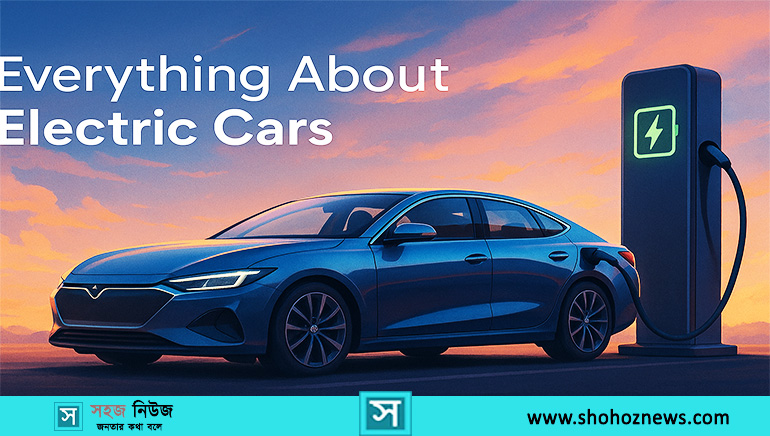
Electric cars (EVs) are transforming the global automotive industry. With rising fuel prices, climate concerns, and advances in technology, EVs are becoming mainstream alternatives to traditional vehicles. They promise lower emissions, quieter rides, and reduced dependence on fossil fuels. This article provides a complete guide to electric cars, covering their technology, benefits, costs, charging infrastructure, and future trends.
What Are Electric Cars?
Electric cars are vehicles powered entirely or partially by electric motors, using energy stored in rechargeable batteries instead of internal combustion engines (ICE). Unlike gasoline-powered cars, EVs rely on electricity as their primary energy source, making them more efficient and eco-friendly.
Types of Electric Vehicles (EVs)
There are different categories of EVs designed to meet varied consumer needs.
| Type | Description | Examples |
|---|---|---|
| Battery Electric Vehicles (BEVs) | Fully electric; powered only by batteries and electric motors. | Tesla Model 3, Nissan Leaf |
| Plug-in Hybrid Electric Vehicles (PHEVs) | Combine electric battery with a gasoline engine for flexibility. | Toyota Prius Prime, BMW i8 |
| Hybrid Electric Vehicles (HEVs) | Self-charging hybrids with both battery and fuel engines, no plug-in. | Toyota Prius, Honda Accord Hybrid |
| Fuel Cell Electric Vehicles (FCEVs) | Use hydrogen fuel cells to generate electricity on board. | Toyota Mirai, Hyundai Nexo |
How Do Electric Cars Work?
The basic operation of an EV is simple compared to traditional cars. Here’s a breakdown:
- Battery Pack: Stores electrical energy (usually lithium-ion batteries).
- Electric Motor: Converts stored energy into motion.
- Controller: Manages the flow of electricity between battery and motor.
- Charging Port: Allows the vehicle to be charged via an external source.
Advantages of Electric Cars
- Eco-Friendly: Zero tailpipe emissions reduce air pollution.
- Lower Operating Costs: Electricity is cheaper than gasoline; fewer moving parts reduce maintenance.
- Quiet Performance: Smooth and silent driving experience.
- Government Incentives: Tax credits, rebates, and subsidies in many countries.
- Innovation: Equipped with advanced technology such as autopilot and regenerative braking.
Challenges of Electric Cars
- High Upfront Cost: EVs often cost more than gasoline cars, although prices are falling.
- Charging Infrastructure: Limited in some countries, making long trips challenging.
- Battery Degradation: Performance reduces over time, requiring expensive replacements.
- Range Anxiety: Concerns about running out of power on long journeys.
Charging Electric Cars
Charging options vary by speed, cost, and convenience.
| Charger Type | Charging Speed | Time to Charge (0–80%) |
|---|---|---|
| Level 1 (120V) | Slow, standard household outlet. | 8–20 hours |
| Level 2 (240V) | Faster, home or public charging station. | 4–6 hours |
| DC Fast Charging | High-powered charging at stations. | 30–60 minutes |
Cost of Electric Cars Worldwide
Costs vary by country, brand, and government incentives. Below are average ranges:
| Country | Average Price (USD) | Notes |
|---|---|---|
| United States | $35,000 – $65,000 | Tax credits available up to $7,500. |
| United Kingdom | £25,000 – £55,000 | Government grants for EV purchases. |
| China | $20,000 – $45,000 | World’s largest EV market with local subsidies. |
| India | $15,000 – $35,000 | Rapidly growing EV market with lower costs. |
| Norway | $30,000 – $60,000 | Extensive incentives and highest EV adoption rate. |
Future of Electric Cars
The future of EVs looks promising with global governments pushing for cleaner transportation. Key trends include:
- Battery Innovation: Solid-state batteries offering higher range and faster charging.
- Increased Range: Many upcoming models promise ranges above 400 miles per charge.
- Autonomous Driving: Integration of self-driving features with EVs.
- Global Policies: Countries like the UK, France, and Canada aim to phase out ICE vehicles by 2035–2040.
- Affordability: Declining battery costs will make EVs accessible to more people worldwide.
Final Thoughts
Electric cars are no longer a futuristic concept—they are the present and future of mobility. With clear environmental advantages, growing infrastructure, and falling costs, EVs are set to dominate the global auto market. Whether you’re in the United States, Europe, Asia, or beyond, understanding everything about electric cars helps you prepare for a cleaner, smarter, and more sustainable future on the road.