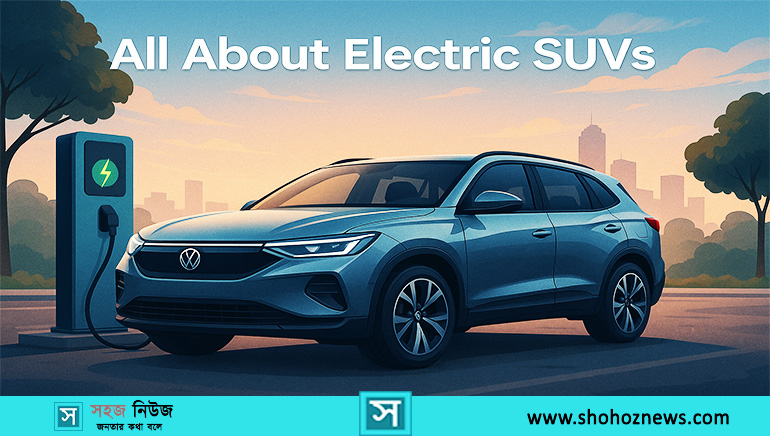
Electric SUVs (Sport Utility Vehicles) are redefining the global automotive industry. With their combination of spacious design, advanced technology, and eco-friendly performance, they are quickly becoming a preferred choice for families, professionals, and eco-conscious drivers. This article explores everything you need to know about electric SUVs, from their technology and benefits to top models and future trends.
What Is an Electric SUV?
An electric SUV is a sport utility vehicle powered either fully or partially by electric motors. Unlike traditional gasoline SUVs, electric SUVs run on rechargeable batteries, offering reduced emissions, quiet rides, and lower running costs.
Types of Electric SUVs
Electric SUVs fall into several categories depending on their drivetrain and energy source:
| Type | Description | Examples |
|---|---|---|
| Battery Electric SUVs (BEVs) | Powered entirely by electricity with no fuel engine. | Tesla Model X, Hyundai Ioniq 5 |
| Plug-in Hybrid SUVs (PHEVs) | Combine a battery-powered motor with a gasoline engine. | Volvo XC90 Recharge, Mitsubishi Outlander PHEV |
| Hybrid SUVs (HEVs) | Self-charging hybrids with both fuel and electric components. | Toyota Highlander Hybrid, Honda CR-V Hybrid |
| Fuel Cell SUVs (FCEVs) | Use hydrogen fuel cells to generate electricity on board. | Toyota Mirai SUV Concept, Hyundai Nexo |
Key Benefits of Electric SUVs
- Eco-Friendly: Zero tailpipe emissions reduce environmental impact.
- Lower Running Costs: Electricity is cheaper than fuel; fewer moving parts mean lower maintenance.
- Spacious Design: Ideal for families and long-distance travel.
- Advanced Technology: Most EV SUVs include autopilot, connectivity, and regenerative braking.
- Government Incentives: Tax credits, rebates, and subsidies in many countries.
Challenges of Electric SUVs
- Higher Purchase Cost: Premium price compared to gasoline SUVs, though prices are dropping.
- Charging Infrastructure: Limited in some countries, making road trips challenging.
- Battery Weight: Heavier SUVs may experience reduced efficiency.
- Range Anxiety: Concern about running out of charge during long drives.
Top Electric SUV Models Worldwide
Here are some of the most popular electric SUVs available globally:
| Model | Range | Price (USD Equivalent) | Country of Origin |
|---|---|---|---|
| Tesla Model X | 348 miles | $120,000 | USA |
| Tesla Model Y | 330 miles | $55,000 | USA |
| Audi e-tron | 226 miles | $70,000 | Germany |
| Hyundai Ioniq 5 | 303 miles | $48,000 | South Korea |
| Mercedes EQC | 250 miles | $67,000 | Germany |
| Volvo XC40 Recharge | 223 miles | $53,000 | Sweden |
| Ford Mustang Mach-E | 312 miles | $47,000 | USA |
| Kia EV6 | 316 miles | $50,000 | South Korea |
Charging Infrastructure
One of the critical factors influencing EV SUV adoption is the charging network. Charging options include:
- Home Charging: Convenient overnight charging with Level 2 chargers.
- Public Charging: Available at malls, offices, and highways.
- Fast Charging: Provides up to 80% charge in less than 45 minutes.
Cost of Electric SUVs Worldwide
Prices vary across regions due to local taxes, production costs, and government policies. Here’s a country-wise comparison:
| Country | Average Price Range (USD Equivalent) | Notes |
|---|---|---|
| United States | $45,000 – $120,000 | Tesla dominates the market with premium models. |
| United Kingdom | £35,000 – £90,000 | Government subsidies lower costs. |
| India | ₹20 – 45 Lakhs | Growing market, limited premium EV SUVs. |
| China | ¥200,000 – ¥600,000 | World’s largest EV SUV market with domestic brands. |
| Europe | €40,000 – €110,000 | Audi, BMW, Mercedes lead in premium SUV sales. |
Future of Electric SUVs
The future of electric SUVs looks promising, with automakers investing heavily in innovation:
- Solid-State Batteries: Promise longer range and faster charging.
- Increased Affordability: Declining battery costs will reduce vehicle prices.
- Global Expansion: More markets are opening up with improved charging infrastructure.
- Autonomous Driving: Advanced driver-assist systems integrated with electric SUVs.
Final Thoughts
Electric SUVs are no longer niche vehicles—they are reshaping the global automobile industry. With growing infrastructure, falling costs, and expanding options, these vehicles offer both sustainability and luxury. Whether for families or professionals, the electric SUV segment provides a balance of practicality and eco-conscious driving, making it one of the fastest-growing categories in the EV revolution.